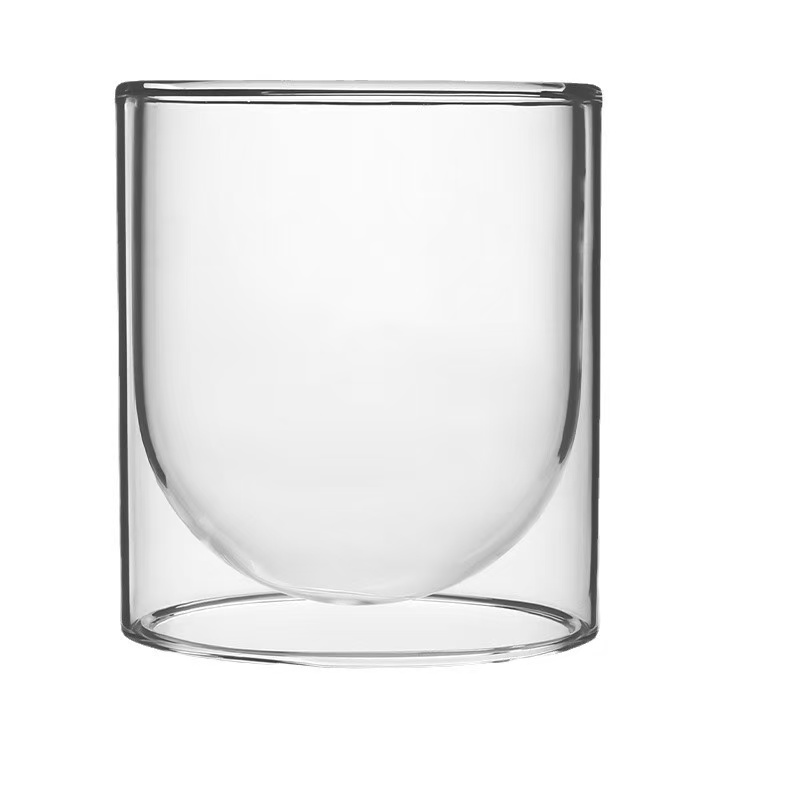
Many glass designs begin as elegant sketches or 3D models, but the real challenge lies in transforming those ideas into repeatable, well-made products. Hand-blown borosilicate glassware requires a careful balance between artistic intention and manufacturing reality.
The first step is understanding the design itself. Proportions, wall thickness, curvature, and balance all influence not only how a piece looks, but how it behaves during production. Certain forms that appear simple on paper may be difficult to control consistently when hand-blown.
Material behavior plays a critical role. Borosilicate glass has a higher working temperature than standard glass, which affects shaping time, cooling cycles, and tooling requirements. Successful production depends on adjusting the design to respect these material characteristics rather than fighting against them.
Tooling and process planning come next. Even in hand-blown production, molds, jigs, and finishing tools must be designed to ensure repeatability. Small refinements — such as modifying a radius or adjusting a transition — can significantly improve yield and consistency.
Finally, prototyping bridges design and production. Early samples reveal where visual intent and physical behavior diverge. Iteration at this stage saves time, cost, and frustration later in full production.
Hand-blown borosilicate glassware succeeds when design and manufacturing are treated as a single conversation, not separate steps. When that alignment happens, the result is glassware that feels intentional, refined, and ready for real-world use.